「空っぽのまま、朝が来る」 (The Morning Comes, Still Empty)
1207
Muziek gemaakt door 602-16Kanathip_Petong met Suno AI

「空っぽのまま、朝が来る」 (The Morning Comes, Still Empty)
v4

@602-16Kanathip_Petong
「空っぽのまま、朝が来る」 (The Morning Comes, Still Empty)
v4
@602-16Kanathip_Petong
Songteksten
[Verse 1]
[Reflective and gentle melancholy. This section sets a nostalgic scene, recalling a specific, small detail (white shoes). It evokes a sense of quiet longing and the bittersweet feeling of a beautiful moment that has already passed. The mood is calm but tinged with sadness.]
夏の終わりの匂いがした
坂道の途中
君が履いてた白い靴
土で汚れてた
夕暮れのサイレンが遠くで響いてる
「また明日」って言えないまま
影だけ伸びていく
[Pre-Chorus]
[Introspective and aching nostalgia. The focus narrows to a single object (a photo frame), representing a frozen, perfect memory. The feeling is a mix of warmth from the memory itself and the pain of knowing it's in the past, a quiet, internal ache.]
写真立ての中
止まった時間は
優しすぎて、少し痛いんだ
[Chorus]
[A surge of cathartic release and selfless farewell. This is the emotional core. It's a plea for the other person to move on, born not from anger but from deep care. There's a sense of painful acceptance and a desperate wish for the other's happiness, even if it means being forgotten. The feeling is heartbreaking yet liberating.]
忘れてください、僕のことはもう
君が見る明日の中に、僕はいないから
それでいいんだ、笑っていてよ
ガラス窓に映る空が滲んで消えても
[Verse 2]
[Fading memory and lingering attachment. This verse explores the frustrating nature of a memory that is beginning to blur. The specific details are lost, but the feeling remains strong. It captures the involuntary act of searching for someone in a crowd, a habit that's hard to break, creating a feeling of being haunted by an absence.]
君が口ずさんでた歌
思い出せないんだ
メロディーだけが胸の奥
低く鳴り響く
改札を通り抜ける人の群れの中
君によく似た背中を
つい探してしまう
[Pre-Chorus]
[Regret and unspoken feelings. Similar to the first pre-chorus, this focuses on something small and internal—the words left unsaid, held tightly like a hidden object. The mood is one of quiet regret and the heavy weight of what could have been.]
最後の言葉も
言えないままずっと
ポケットの中、握りしめてた
[Chorus]
[A reinforced plea for closure, with deeper resignation. The repetition of the chorus feels more resolute this time. The initial raw pain has settled into a firmer, more selfless wish for the other person's future. The sense of letting go is stronger, even if it still hurts.]
忘れてください、僕のことはもう
君が見る明日の中に、僕はいないから
それでいいんだ、笑っていてよ
ガラス窓に映る空が滲んで消えても
[Bridge]
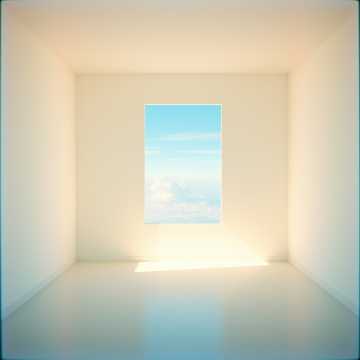
[Quiet, stark realization and acceptance. The bridge is a moment of quiet epiphany. The imagery of light filling an empty room is symbolic of a new day arriving, regardless of personal loss. The emotion is one of stark, lonely acceptance of reality. It's not happy, but it's a step toward moving on.]
空っぽのこの部屋に
朝の光が差して
君がいなくても夜は明けるんだ
そう、知ってるよ
[Final Chorus]
[A final, hopeful farewell and a shift in perspective. The final chorus changes slightly, revealing the true, unspoken desire ("Don't forget me") before immediately dismissing it. The focus shifts entirely to the other person's future, wishing for it to be bright. The final line is a beautiful, sad acknowledgment of their separate paths. The mood is one of ultimate, selfless love and a truly final goodbye.]
忘れないでなんて、言えるわけないよ
君が見る明日がどうか、輝くように
さよならなんだ、元気でいてよ
僕のいない空の色を、君は見ていく
[Reflective and gentle melancholy. This section sets a nostalgic scene, recalling a specific, small detail (white shoes). It evokes a sense of quiet longing and the bittersweet feeling of a beautiful moment that has already passed. The mood is calm but tinged with sadness.]
夏の終わりの匂いがした
坂道の途中
君が履いてた白い靴
土で汚れてた
夕暮れのサイレンが遠くで響いてる
「また明日」って言えないまま
影だけ伸びていく
[Pre-Chorus]
[Introspective and aching nostalgia. The focus narrows to a single object (a photo frame), representing a frozen, perfect memory. The feeling is a mix of warmth from the memory itself and the pain of knowing it's in the past, a quiet, internal ache.]
写真立ての中
止まった時間は
優しすぎて、少し痛いんだ
[Chorus]
[A surge of cathartic release and selfless farewell. This is the emotional core. It's a plea for the other person to move on, born not from anger but from deep care. There's a sense of painful acceptance and a desperate wish for the other's happiness, even if it means being forgotten. The feeling is heartbreaking yet liberating.]
忘れてください、僕のことはもう
君が見る明日の中に、僕はいないから
それでいいんだ、笑っていてよ
ガラス窓に映る空が滲んで消えても
[Verse 2]
[Fading memory and lingering attachment. This verse explores the frustrating nature of a memory that is beginning to blur. The specific details are lost, but the feeling remains strong. It captures the involuntary act of searching for someone in a crowd, a habit that's hard to break, creating a feeling of being haunted by an absence.]
君が口ずさんでた歌
思い出せないんだ
メロディーだけが胸の奥
低く鳴り響く
改札を通り抜ける人の群れの中
君によく似た背中を
つい探してしまう
[Pre-Chorus]
[Regret and unspoken feelings. Similar to the first pre-chorus, this focuses on something small and internal—the words left unsaid, held tightly like a hidden object. The mood is one of quiet regret and the heavy weight of what could have been.]
最後の言葉も
言えないままずっと
ポケットの中、握りしめてた
[Chorus]
[A reinforced plea for closure, with deeper resignation. The repetition of the chorus feels more resolute this time. The initial raw pain has settled into a firmer, more selfless wish for the other person's future. The sense of letting go is stronger, even if it still hurts.]
忘れてください、僕のことはもう
君が見る明日の中に、僕はいないから
それでいいんだ、笑っていてよ
ガラス窓に映る空が滲んで消えても
[Bridge]
[Quiet, stark realization and acceptance. The bridge is a moment of quiet epiphany. The imagery of light filling an empty room is symbolic of a new day arriving, regardless of personal loss. The emotion is one of stark, lonely acceptance of reality. It's not happy, but it's a step toward moving on.]
空っぽのこの部屋に
朝の光が差して
君がいなくても夜は明けるんだ
そう、知ってるよ
[Final Chorus]
[A final, hopeful farewell and a shift in perspective. The final chorus changes slightly, revealing the true, unspoken desire ("Don't forget me") before immediately dismissing it. The focus shifts entirely to the other person's future, wishing for it to be bright. The final line is a beautiful, sad acknowledgment of their separate paths. The mood is one of ultimate, selfless love and a truly final goodbye.]
忘れないでなんて、言えるわけないよ
君が見る明日がどうか、輝くように
さよならなんだ、元気でいてよ
僕のいない空の色を、君は見ていく
Stijl van muziek
J-Rock, Alternative Rock, Piano Rock, Melancholic but hopeful, Emotional female vocals, Sentimental ballad, Prominent piano melody, Acoustic guitar